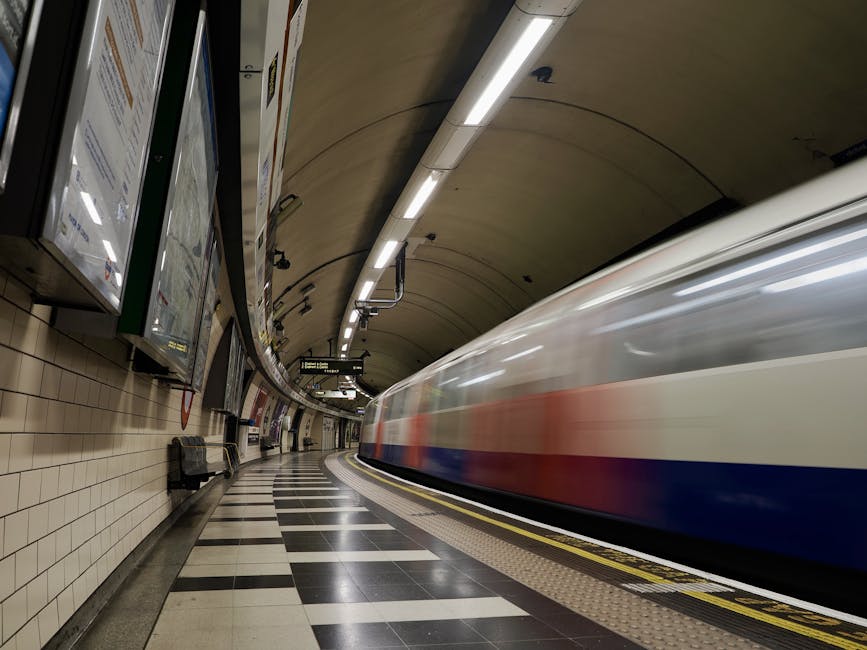
Fast rubbish collection near Bermondsey Station for commuters

If you commute through Bermondsey Station, you already know how quickly a day can get swallowed by trains, meetings, school runs, and everything else London throws at you. So when rubbish starts piling up at home, in a flat, or at a small workplace near the station, the last thing you need is a slow, awkward clearance process. Fast rubbish collection near Bermondsey Station for commuters is about making waste disappear without stealing your evening, your lunch break, or your patience.
That might mean a same-day pickup after work, a short-notice flat clearance before a move, or a tidy collection arranged around a train schedule that does not budge for anyone. This guide explains how it works, what to expect, where the real time savings come from, and how to choose a service that feels quick without cutting corners. And yes, there are a few practical pitfalls that catch people out more often than you'd think.
Why Fast rubbish collection near Bermondsey Station for commuters Matters
Commuters live by the clock. Bermondsey Station is a practical, fast-moving part of London life, and rubbish problems tend to become more stressful in exactly that kind of environment. A bag of building waste left in a hallway, an old sofa blocking a narrow flat, or business rubbish waiting near an office entrance can create inconvenience very quickly. Not just for you, but for neighbours, landlords, cleaners, and anyone else trying to move through the space.
In a commuter-heavy area, timing matters more than most people expect. A service that arrives on time, loads efficiently, and leaves the place clear can save an entire evening. That is the real point. You are not just paying for removal; you are buying back time, reducing friction, and avoiding that slightly grim feeling of walking past the same pile of junk for the third day in a row. We have all seen it. It's not glamorous, but it's life.
There is also a practical local angle. Flats near transport links often have tight stairwells, shared entrances, limited parking, and neighbours who will notice if rubbish hangs around. Fast clearance helps keep things calm. If your situation is part of a bigger home tidy-up, a move, or a business reset, services such as house clearance, flat clearance, or office clearance can be especially useful because they are built for real-world access problems, not idealised ones.
How Fast rubbish collection near Bermondsey Station for commuters Works
The process is usually straightforward, but the speed comes from good preparation as much as from the collection team itself. A fast job tends to begin with a quick description of what needs removing: the type of waste, approximate amount, location, access details, and whether anything needs special handling. The clearer the information, the better the scheduling.
For many jobs, the collection is arranged in a way that fits around a commuter's day. That could mean a morning window before you head into the office, a late afternoon slot after you get back, or a short-notice pickup that avoids the weekend backlog. The crew arrives, checks access, confirms the load, removes the waste, and leaves the area tidy. Simple, if everyone is prepared. Less simple if the lift is out, the hallway is blocked, or half the items are still packed into drawers.
Speed also depends on the type of waste. General mixed rubbish is usually quicker to assess than dismantled furniture, renovation debris, or a garage full of mystery objects from three different decades. For heavier or more mixed loads, a service such as waste removal can be the better fit. If you are clearing out bulky items, furniture disposal or furniture clearance may be more efficient than trying to describe everything as "bits and pieces". That phrase, to be fair, covers a lot and explains very little.
Here is the basic flow most people can expect:
- Send a clear description of the rubbish, access, and timing needs.
- Receive a quote or estimate based on volume, type, and labour involved.
- Confirm a collection window that suits your commute.
- Make sure the waste is ready and accessible before the team arrives.
- Collection is completed, the area is swept or left tidy, and the waste is taken away for sorting.
That last part is worth noting. A good service does not simply shift the mess from one place to another. It should also manage disposal responsibly, with sorting and recycling where appropriate. More on that later.
Key Benefits and Practical Advantages
The most obvious benefit is speed, but that is not the only one. Fast rubbish collection near Bermondsey Station also reduces disruption. If you are racing to catch a train, the difference between a service that works efficiently and one that drifts around can feel huge. One leaves you calm. The other leaves you staring at the clock, which is never fun.
Practical advantages include:
- Time-saving convenience: collections can be arranged around commuting hours and evening routines.
- Less clutter at home: fewer tripping hazards and less visual stress in compact Bermondsey flats.
- Better use of tight access: careful loading suits staircases, narrow entrances, and shared buildings.
- Cleaner handover: useful before tenancy changes, landlord inspections, or work on a property.
- Lower stress: the job is handled in one visit rather than lingering for days.
If the rubbish is part of a larger clear-out, it can also be more cost-effective to bundle the work. For example, someone moving out of a compact flat might combine general rubbish with home clearance or a more specific service such as loft clearance. A small business near the station may combine daily waste with business waste removal so the space stays usable instead of turning into a holding pen for bags and boxes.
There is a quieter benefit too: confidence. Once you know the rubbish is going, you can focus on the next thing. Work, dinner, the school run, catching the last reasonable train home. Life gets easier when one annoying job is out of the way.
Who This Is For and When It Makes Sense
This kind of service suits people whose schedules are already full and who need rubbish gone without a lot of back-and-forth. If you live near Bermondsey Station, you may well be juggling work in central London, an unpredictable commute, and a home that does not have much spare room for clutter. The service makes sense whenever speed, access, or simplicity matters more than a DIY trip to the tip.
Typical users include:
- Commuters clearing a flat after work or before an early departure.
- Tenants preparing for check-out or a move between properties.
- Landlords needing a fast turnaround between occupants.
- Homeowners clearing bulky items that have been sitting around too long.
- Small offices or studios looking for quick, discreet removal.
- Tradespeople or renovators needing short-notice debris collection.
Sometimes the need is obvious. Other times it creeps up. A room fills up with boxes. A broken wardrobe waits in the hall. The old washing machine stays there "just for a day or two" and then suddenly it is the month after. Truth be told, that happens more often than people admit.
For domestic situations, service types such as garage clearance or loft clearance are useful when the waste is mixed and awkward. For more structured property clear-outs, a broader home clearance is often the least stressful route. If you are moving furniture on its own, use the specialised pages for furniture clearance or furniture disposal rather than trying to shoehorn everything into a generic request.
Step-by-Step Guidance
If you want fast rubbish collection near Bermondsey Station, preparation is half the job. A little organisation before the van arrives can shave off time, reduce costs, and stop that awkward moment when a crew is waiting while someone unearths the final bag from behind a door. Here is the cleanest way to handle it.
- List what needs removing. Keep it simple but specific: bags, boxes, furniture, broken appliances, renovation debris, or mixed household waste.
- Check access. Note whether the property is upstairs, whether there is a lift, whether parking is tight, and whether a time window is needed because of work or commuting.
- Separate anything sensitive. Put aside documents, keys, medication, or anything you might want to keep. It sounds obvious, but in the rush, obvious things get missed.
- Ask about the collection method. Some jobs are priced or organised by load size, while others depend on item type or labour. If the job is particularly bulky or commercial, use the relevant service page rather than a broad guess.
- Confirm timing. Make sure the slot works with your train times, building rules, or office opening hours.
- Prepare the items. Move rubbish close to the exit if you can do so safely. Do not block corridors or fire exits, obviously.
- Review the quote details. Check what is included so there are no surprises on the day.
- Be ready at arrival. If the crew can get started immediately, the job usually finishes faster. Not groundbreaking, but true.
If you are comparing pricing, the service at pricing and quotes is useful for understanding how estimates are typically handled. If you want reassurance about how payments are managed, the payment and security page gives a sensible overview of what to expect before confirming anything.
Expert Tips for Better Results
Fast collection is not just about booking quickly. It is about making the job flow well once the van pulls up. The difference between a smooth half-hour and a messy, delayed visit often comes down to a few small decisions.
- Send photos if they are requested. Visuals help estimate volume and reduce misunderstandings.
- Keep a clear path. A hallway full of shoes, bikes, and shopping bags can slow everything down. In London flats, that is more common than it should be.
- Bundle related items together. If you have a few pieces of furniture and a heap of boxes, say so upfront. Mixed loads are manageable, but only if they are described honestly.
- Use the right service page. A job involving building waste is not the same as a routine household clear-out. If you have plasterboard, rubble, or site debris, look at builders waste clearance.
- Think about what can be recycled. Separating reusable items can improve the environmental outcome and sometimes makes loading more efficient.
- Book slightly ahead if you can. Same-day is great when available, but giving yourself a little breathing room usually makes everything less frantic.
One small but useful habit: stand at the front door and look at the pile as if you were the person arriving to collect it. Can they reach it easily? Is anything hidden? Is there enough room to turn with a bulky item? That five-second check can save a lot of hassle.
If sustainability matters to you, the site's recycling and sustainability information is worth a look. Fast does not need to mean wasteful, and in a sensible operation it should not.
Common Mistakes to Avoid
The biggest mistake is assuming every rubbish job is the same. It is not. A single black bag, a sofa, and half a bathroom strip-out are three very different jobs, even if they all look like "stuff I need gone". Mislabel the job and you risk delays, wrong pricing, or a crew arriving with expectations that do not match reality.
Other mistakes people make:
- Not mentioning stairs, lifts, or parking restrictions.
- Leaving items scattered around the property and expecting a rapid turnaround.
- Forgetting about bulky hidden waste in cupboards, lofts, or sheds.
- Assuming all items can go together without checking special disposal needs.
- Booking too late before a move, check-out, or office deadline.
- Choosing purely on speed without checking trust, insurance, or disposal practices.
The last one matters. Fast is good. Fast and careless is not. You want a service that moves quickly but still handles access, safety, and disposal properly. That balance is the sweet spot.
Tools, Resources and Recommendations
You do not need fancy tools for a rubbish collection, but a few practical things help. A marker pen, a couple of strong sacks, basic tape, and a phone camera go a long way. If you are sorting items before a collection, labelling what stays and what goes can prevent those annoying mix-ups that always seem to happen at the worst moment.
Useful things to have ready:
- A clear list or note on your phone describing the waste.
- Photos of the items and access route, especially for tight staircases.
- Building or landlord rules if you live in a managed property.
- Any relevant information about fragile, heavy, or awkward items.
- Confirmation of the time window that works around your commute.
It is also worth knowing which service category best fits your situation. For example, office clearance is more suited to desks, filing cabinets, and workplace clutter, while garage clearance works better for the mix of tools, boxes, and old bits people tend to keep "just in case". If the job is mainly outdoor debris, garden clearance is a better fit than a general waste request.
Law, Compliance, Standards, or Best Practice
Waste collection in the UK is not something to treat casually. You do not need to become an expert in waste law, but you should expect a reputable service to follow standard disposal practices, operate safely, and take responsibility for where waste goes after collection.
In plain English, that means a few things. Waste should be handled so it does not create health or safety issues in shared spaces. It should not be dumped illegally. Recyclable materials should be separated where practical. And if an item needs special handling, the team should treat it accordingly rather than bundling everything together and hoping for the best. That sort of thing is cheap at first and expensive later.
If a property is rented or managed, it is also wise to check any local building rules about access times, noise, lifts, or parking. London buildings can be funny about this, and sometimes for good reason. A quick collection is much easier when everyone knows the rules before the van arrives.
You can also look at the company's own policy pages for reassurance. The health and safety policy, insurance and safety information, and about us page all help build a better picture of how a provider works. That is the kind of detail that matters when you are letting someone into a home, block, or workplace.
Options, Methods, or Comparison Table
Different rubbish jobs call for different methods. If you compare the options properly, you usually save time and avoid paying for more than you need. Here is a simple comparison of common approaches.
| Option | Best for | Pros | Watch outs |
|---|---|---|---|
| General waste removal | Mixed household or office rubbish | Flexible, quick, suitable for many jobs | Needs clear description to avoid confusion |
| Furniture disposal | Sofas, tables, beds, wardrobes | Efficient for bulky items | Access and dismantling may affect speed |
| Flat clearance | Tenancy changes, small homes, compact spaces | Good for full-property jobs | Needs careful planning in shared buildings |
| Builders waste clearance | Renovation debris, rubble, trade waste | Better suited to heavier site waste | May require more labour and sorting |
| Business waste removal | Shops, offices, studios, workspaces | Discreet and routine-friendly | Best if arranged around opening hours |
The right choice depends on what you are actually clearing, not just how fast you want it gone. If you are unsure, describe the waste plainly and let the service determine the most suitable approach. That tends to work better than guessing.
Case Study or Real-World Example
A common Bermondsey scenario goes like this. Someone finishes a long week of commuting, realises their flat is full of packaging, a broken bookcase, and a couple of old bags from a recent declutter, and suddenly the weekend is gone before it begins. They need the rubbish removed quickly because the hallway is narrow, the building has shared access, and they have visitors coming the next evening.
Instead of trying to fit everything into one overambitious trip to a local tip, they organise a focused collection. The items are grouped near the door, access is confirmed in advance, and the team arrives in a window that fits between work and dinner. The job is done promptly. The flat feels bigger immediately, which sounds dramatic, but anyone who has lived in a compact London home knows it is completely true. It is amazing what one old wardrobe can do to a room.
What made the difference was not luck. It was clear communication, the right type of service, and the fact that the client had prepared the space before the crew arrived. No drama. No waiting around. Just a tidy result and a much calmer evening.
Practical Checklist
Use this before booking fast rubbish collection near Bermondsey Station. It keeps the process smooth and stops small problems turning into delays.
- Know exactly what needs removing.
- Estimate whether the load is small, medium, or large.
- Check whether access involves stairs, a lift, or a narrow entrance.
- Note parking restrictions or building rules.
- Separate anything you want to keep.
- Take photos if asked for a quote.
- Choose the right service type for the waste.
- Confirm the collection time fits your commute.
- Ask about handling, sorting, and disposal expectations.
- Keep the route clear on the day.
Quick takeaway: the fastest rubbish collection is usually the one that is organised before the van arrives. A little clarity upfront saves a lot of fiddly back-and-forth later.
If you are ready to clear space without losing half your day, start by reviewing the relevant service details and comparing your options with a calm head. A short conversation now can save a very long headache later.
Get a free quote today and see how much you can save.
Conclusion
Fast rubbish collection near Bermondsey Station for commuters is really about making everyday life easier. It gives you back time, reduces stress, and helps you deal with clutter before it turns into a bigger mess. Whether you are clearing a flat, shifting office waste, or getting rid of bulky furniture, the best results come from choosing the right service, giving clear information, and preparing the space properly.
The good news is that this does not have to be a complicated task. With a sensible plan, the right timing, and a team that knows how to work efficiently in tight London spaces, rubbish collection can feel surprisingly straightforward. And that is a relief, honestly. A proper one.
Sometimes the best bit is simply walking back into a clear room and hearing nothing at all. Just space. Just calm. That is the sort of quiet win commuters deserve.
Frequently Asked Questions
How fast can rubbish collection near Bermondsey Station usually be arranged?
It depends on the size of the job, the type of waste, and how flexible your timing is. Smaller collections can often be arranged quickly if access is straightforward and you provide a clear description up front.
Can commuters book a rubbish collection before or after work?
Yes, that is one of the main advantages of a fast local service. Morning, lunchtime, and evening slots can often be more practical for commuters than all-day waiting windows.
What information should I give when requesting a quote?
Describe what needs removing, where it is located, whether there are stairs or a lift, and any access or parking issues. Photos are often helpful too, especially for bulky or mixed loads.
Is fast rubbish collection suitable for flats near Bermondsey Station?
Very much so. Flat clearances are common in busy London areas, and a service that understands shared entrances, stairwells, and tight access can save a lot of hassle.
What if I have furniture as well as general rubbish?
That is usually manageable, but it helps to mention everything in advance. For bulky items, a dedicated furniture disposal or furniture clearance service may be the cleanest option.
Do I need to sort the waste before collection?
Not always, but some basic organisation helps. Keeping items together, separating anything personal, and making the load easy to reach can make the visit faster and smoother.
Is same-day rubbish collection always available?
No, it depends on availability and the job itself. Same-day is often possible for smaller or urgent collections, but booking a little ahead gives you more certainty.
What kind of waste is best handled as builders waste?
Renovation debris, rubble, broken tiles, plaster-related waste, and similar site materials are better matched to builders waste clearance than a general household collection.
How do I know a provider is handling waste responsibly?
Look for clear information about safety, insurance, and recycling practices. A trustworthy service should explain how it deals with waste rather than leaving the question vague.
Can businesses near Bermondsey Station use fast rubbish collection too?
Yes. Offices, studios, and small shops often need discreet removals that fit around opening hours, deliveries, and staff movement. Business waste removal is often the better fit in those cases.
What if I only have one or two bulky items?
That is still worth booking if they are hard to move or take up important space. One awkward item can be enough to justify a quick collection, especially in a flat or small office.
Where should I start if I want to compare costs and options?
The most sensible first step is to look at the service type that matches your waste, then review the pricing and quotes information so you know how estimates are usually handled. That gives you a much better basis for decision-making.