Garden Clearance in Bermondsey

Garden clearance in Bermondsey is about clearing outdoor spaces carefully, separating reusable greenery from bulky waste, and leaving the area ready for its next stage. We handle overgrown borders, pruned branches, cuttings, broken pots, old timber, soil, and mixed garden waste with a tidy, practical approach. Where a garden has become crowded with unwanted materials, our work focuses on safe removal, sensible sorting, and a clean finish that suits the space.
Our service is aimed at homeowners, landlords, agents, and businesses that need outdoor areas made manageable again. Garden waste removal can involve a single tidy-up after seasonal work or a more involved clearance where several types of material have built up over time. We work methodically so that the useful parts of the garden are left undisturbed while unwanted matter is taken away.
If you need a straightforward way to clear an outdoor space, start by listing the main items and the access available. That helps us shape the job sensibly and allows a quote to reflect the actual amount of material rather than a rough guess. When you are ready, ask for a quotation and we will help you plan the next step.
Garden waste, green cuttings and bulky outdoor items
We clear the forms of waste that commonly gather in domestic and shared gardens: hedge trimmings, grass cuttings, branches, leaves, soil in manageable quantities, old plant supports, damaged edging, plant pots, and weathered garden accessories. Where mixed material is present, we separate what can be handled as garden waste from what needs a different disposal route. That practical sorting helps the job stay orderly and avoids leaving loose debris behind.
Some gardens contain more than simple green waste. Rotting sheds, fencing offcuts, broken outdoor furniture, and discarded containers may also need removing, especially after renovation, a tenancy change, or a long period of neglect. In those situations, we keep the work focused on safe clearance rather than making assumptions about what can be moved. If you can identify any heavy or awkward pieces in advance, it helps us match the right equipment to the task. Pricing and quotes gives a useful place to discuss the scale of the work and the sort of clearance you need.
What a careful garden clearance usually involves
For a typical clearance, the work starts with separating loose organic waste from reusable items and any rubbish that has found its way into the garden. We then remove the material in a controlled order so that paths, steps, gates, and planted areas remain easy to access. When a garden includes both tidy beds and cluttered corners, we work around the features that should stay, which makes the result neater and easier to build on afterwards.
From one-off tidies to fuller outdoor clearances
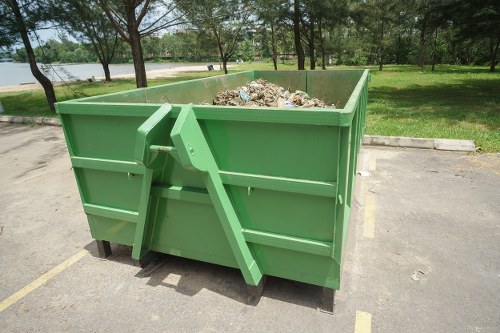
Some customers only need a light clearance after hedge trimming or lawn work, while others need a fuller service because the garden contains multiple layers of waste. We approach both in a similar way: identify the material, remove it safely, and leave the space ready for follow-on work. That may mean preparing for planting, paving, landscaping, or simply restoring a usable outdoor area. The goal is to make the space more workable without overcomplicating the process.
When clearance is more involved, it can help to break the job into sections. For example, one area may hold green waste, another may have damaged garden furniture, and another may contain old timber or loose household items that were stored outside. Keeping those groups distinct makes disposal easier to organise. If you would like to compare this service with other options, garden clearance offers a direct route back to the main service page for quick reference.
We also consider the order in which items should leave the space. Large pieces may need moving first, while smaller waste can be gathered afterwards so that the ground is left cleaner. This sort of sequence matters in gardens where access is limited or where planted areas sit close to the route out. It is a practical service, not a decorative one, and the finish should feel clear, safe, and ready for whatever comes next.
Why Bermondsey gardens often need flexible clearance support
Bermondsey has a mix of housing types, converted buildings, and later developments, so outdoor space can vary from compact courtyards to shared communal plots and rooftop terraces. That variety means a garden clearance request may involve narrow access, limited storage space for waste, or a combination of planted sections and hard landscaping. A flexible approach is therefore useful, because the job is rarely just about moving green waste from one point to another.
Where a garden sits behind a property with steps, side passages, or shared entry points, the removal method needs to be chosen with care. We keep the work focused on practical handling rather than forcing a single pattern on every job. For some properties, the main concern is volume; for others, it is awkward access or the mixture of waste types. If you are weighing up the most suitable service for a property that also needs internal rooms cleared, house clearance may be relevant alongside the garden work.
In practice, a good clearance service should reduce the strain on the customer as well as the clutter in the garden. That means clear communication about what needs removing, sensible timing, and a tidy finish once the material has gone. It also means being careful with the features that remain, especially in gardens with paving, trellises, pots, or new planting that should not be disturbed during the removal process.
Sorting materials for disposal and recycling
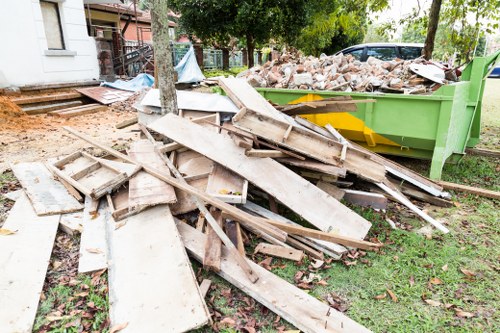
Garden clearances often include a mix of biodegradable and non-biodegradable material, so sorting matters. Green waste can usually be separated from broken fencing, metal fittings, plastic containers, and other outdoor clutter. That separation supports more organised handling and helps the work stay efficient. It also gives the customer a clearer idea of what is leaving the site, rather than treating everything as one undifferentiated pile.
Where suitable, we look to keep recyclable or recoverable material apart from general refuse. Old plant containers, untidy bundles of timber, and certain garden fixtures may need different treatment from leaves and cuttings. A service that pays attention to those differences is more likely to produce a cleaner result at the end. For customers who want to read more about our broader approach to waste handling, recycling and sustainability explains the principles behind that work.
Not every garden clearance creates the same waste stream. A recently maintained garden may only need green waste removed, while a neglected plot may include soil spoil, wood, broken ornaments, and mixed rubbish. Knowing that distinction helps us prepare sensibly and makes it easier to give a grounded quotation. It also avoids overcomplicating the job with unnecessary assumptions about the quantity or type of waste involved.
Access, timing and information that help a quotation
To prepare a quotation that reflects the real scope of the work, it helps to know what is in the garden, how it can be reached, and whether there are any items that need special care. Photos can be useful, especially where waste is stacked in corners or hidden behind larger objects, but a written description of the main materials and access route is also valuable. A clear summary saves time and reduces the chance of misunderstanding.
The most useful details usually include the approximate size of the area, whether there are steps or narrow gates, and whether the clearance is limited to garden waste or includes other outdoor items. If you have already started cutting back growth, that is worth mentioning too, because it changes the volume and handling needed. For customers who want to make the first contact quickly, contact us is the natural next step when the basics are ready.
We keep the quotation process focused on the work itself rather than unnecessary extras. If a job involves restricted access, heavier items, or mixed materials, those points matter because they affect the time and method needed. A careful description at the start usually leads to a more useful response, and it helps ensure that the clearance is planned around the actual conditions on site.
Choosing the right level of garden clearance
Some customers need a light tidy after maintenance, while others need a full garden clearance before replanting, repair work, or a change of use. The right level of service depends on what is present and what the outdoor space needs to become afterwards. A smaller clearance may focus on loose cuttings and a few unwanted items, whereas a larger job may involve multiple loads of mixed material.
It can be helpful to think of the garden in zones. One zone may be the lawn or main border, another may be a storage corner, and another may contain old materials waiting to be dealt with. Working zone by zone makes the clearance clearer to plan and easier to quote for. If timber, old panels, or builder-related debris have ended up outdoors during repairs, builders waste clearance may be worth considering for that part of the job.
Practical decisions usually come down to three things: the type of material, the ease of access, and the finish you want at the end. We are not trying to oversell the process; the aim is simply to remove what is no longer wanted and leave the garden in a better state. That can mean a quick tidy or a more substantial clear-out depending on the condition of the space.
Garden clearance for homes, landlords and managed properties

Garden clearance is often needed when a property changes hands, when a tenancy ends, or when outside space has simply not been maintained for a while. In those cases, the work is usually about restoring order efficiently and removing the clutter that prevents the garden from being used properly. For landlords and agents, it may also be part of preparing a property for the next stage of occupation or inspection.
We also handle clearances for properties where outside space is small but heavily used, such as terraces, courtyards, and shared access areas. In these settings, the job often benefits from careful staging so that we do not block entrances or leave waste where people need to pass. If the work extends beyond the garden and into the wider property, home clearance can be relevant where indoor and outdoor spaces need to be dealt with together.
Different property types create different practical needs, but the same principle applies: remove the unwanted material, keep the useful parts of the space intact, and leave the area ready for the next decision. That approach works well whether the garden is part of a private home, a rented property, or a managed block with shared outdoor access. The important thing is that the clearance remains organised and proportionate to the job.
About Bermondsey
Bermondsey lies in the London Borough of Southwark, on the south bank of the River Thames, east of London Bridge and west of Rotherhithe. Its history is shaped by river trade, docks, warehousing, and manufacturing, with later redevelopment bringing new housing, offices, and public spaces. The area still contains traces of its industrial past in converted buildings and surviving brickwork, while newer developments have introduced a different architectural rhythm of glass, steel, and lighter urban landscaping. Bermondsey Street is one of the best-known local routes, lined with independent businesses, galleries, and food venues that reflect the district’s changing character. The wider area is also associated with landmarks such as the Fashion and Textile Museum and the riverside walkways that connect it to neighbouring parts of central and south-east London. Bermondsey Spa and nearby open spaces contribute to the mix of residential and commercial life, while the Thames Path provides a strong pedestrian link along the river. The district’s identity is closely tied to its layered urban fabric: old and new sit beside one another, with former industrial plots repurposed for homes, creative work, and everyday services. That combination of history, redevelopment, and lived-in streets gives Bermondsey a distinct sense of place within inner London.
Furniture and outdoor items removed with care
Garden clearances sometimes include furniture and other outdoor items that no longer serve a useful purpose. Broken chairs, weathered tables, damaged benches, and tired storage units can all take up room and make the garden feel difficult to use. Removing those pieces can be as important as clearing the plant waste, especially where the area is being prepared for a redesign or a deeper tidy-up. The work is best done carefully, with attention to how bulky pieces are carried out.
We also look at whether an item belongs with garden waste, furniture clearance, or another disposal category. That distinction is important because it affects how the material is handled once it leaves the site. If your clearance includes indoor items as well as outdoor ones, furniture clearance gives a clear route to a more specific service page. For mixed domestic loads, grouping the work properly often makes the whole process easier to manage.
Outdoor items can be awkward because they are exposed to the weather, heavier than they first appear, or partly broken in ways that make them unsafe to move casually. A careful clearance takes account of those practical issues rather than treating everything as simple rubbish. The result should be a garden that feels less cluttered and more usable without unnecessary disturbance to the rest of the property.
Planning the right service around your outdoor space

Not every garden needs the same level of attention, so planning matters. A space that mainly contains leaves and trimmings calls for a different approach from one with branches, old fixtures, and mixed debris. We shape the clearance around what is actually present, which keeps the work practical and the quotation sensible. That is especially useful where the garden has been used for storage as well as planting.
If you are comparing services, it may help to think about what you want the area to become after the clearance. A lighter tidy may be enough before a small seasonal refresh, while a fuller clearance may be needed before landscaping, repairs, or a property handover. Customers who want a wider view of the types of waste work available can also look at waste removal for a broader service description.
Use the service that best matches the space and the amount of material involved. If you want a fast first step, send the main details and ask for a quotation. If you prefer to talk through the scope first, that is fine too. Our aim is to make the process clear, the clearance orderly, and the result practical for the way you want to use the garden afterwards.